Transit to Trails: The Lexington Nature Bus
One of the best feelings in this work is watching an idea leave the page and become something real.
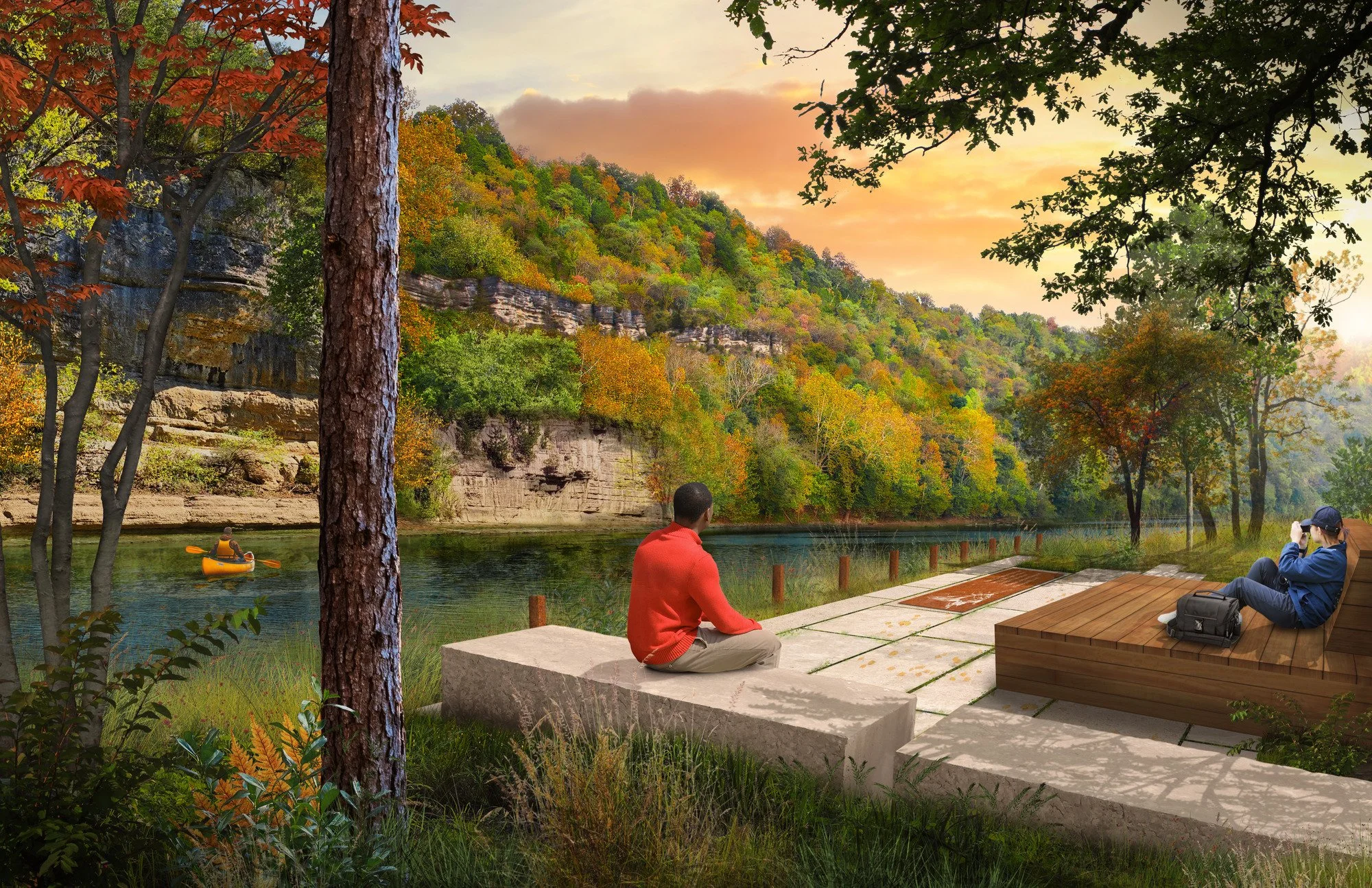
When the Kelley’s Landing Park master planning team (which includes Gresham Smith, Civic, Explore Kentucky, and Ward Wilson) began shaping Lexington’s first riverside park, we intentionally focused on how to make the park accessible to everyone without losing sight of the landscape we were trying to protect. That meant thinking about the built environment, how people would enter the river through features such as an adaptive paddle launch, and how they would reach the park. Transportation was part of both conversations because more vehicle trips can mean more traffic, greater pressure for parking, and ecological consequences for river health.
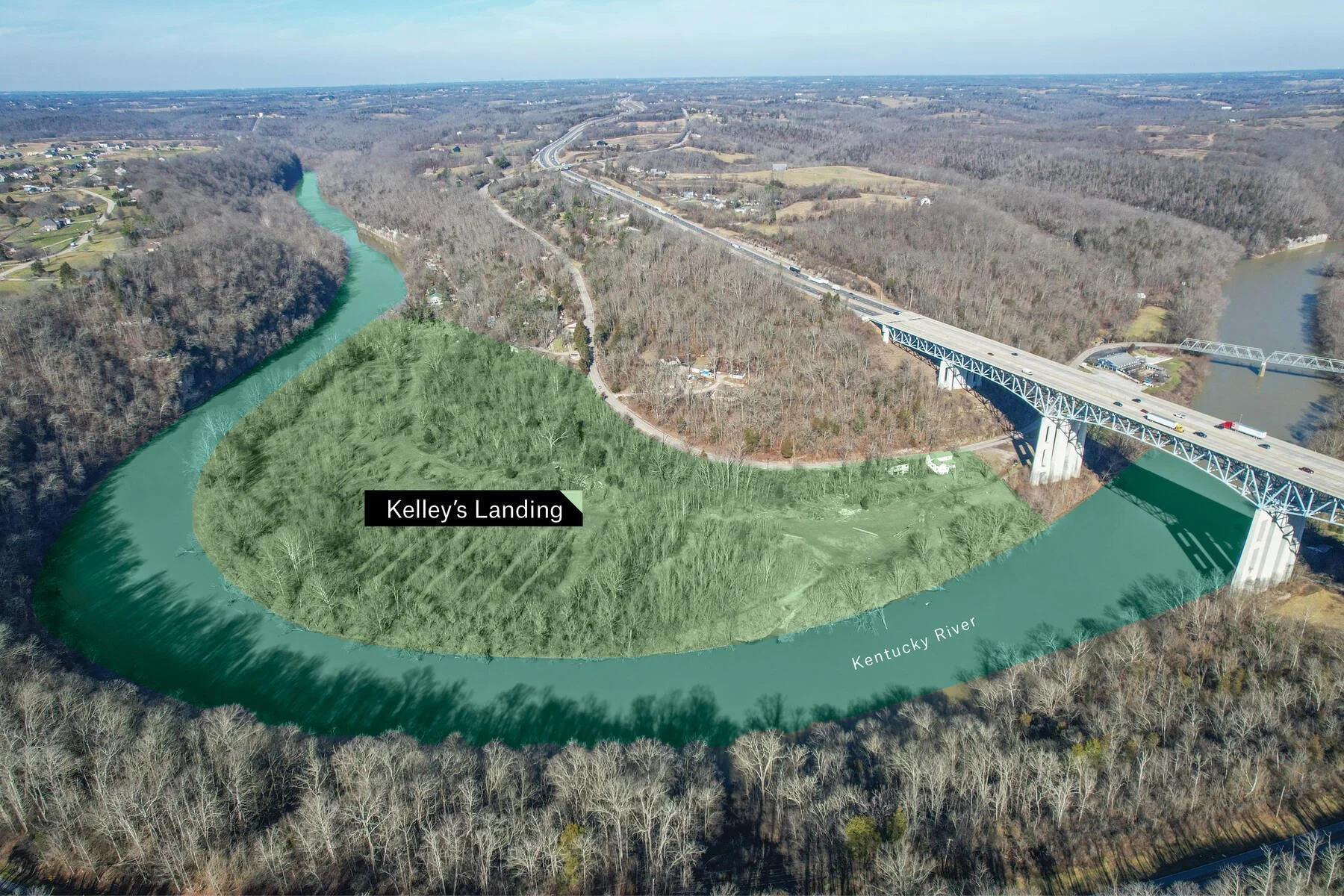
Thousands of families across the region experience transportation insecurity because of income, age, disability, or other circumstances. For them, Kelley’s Landing’s location presents a significant barrier. The beautiful 30-acre park sits about eight miles from Fayette County’s urban core, beyond the urban service Boundary and the reach of existing transit routes, making it difficult to access without a reliable vehicle. Transportation also affects the ecological health of the river. More individual vehicle trips can mean more traffic, greater demand for parking, and more pollution deposited on roads and paved surfaces. During storms, runoff can carry oil, sediment, metals from brake wear, and particles from tires into nearby streams and, ultimately, the River. Reducing car dependence was therefore not only an access goal. It was also part of limiting the environmental footprint of increased visitation.
We looked at models such as Seattle’s Trailhead Direct, Lake Tahoe’s Lake Link, which I have had the pleasure of using, and Virginia’s McAfee Knob Trail Shuttle. These programs connect people to outdoor destinations such as the Appalachian Trail, Mount Si, and Lake Tahoe’s beaches without requiring a personal vehicle. We also talked with Lextran. Like many transit agencies, it faces practical limitations when serving destinations beyond established routes. That led us to recommend a seasonal public-private transportation partnership.
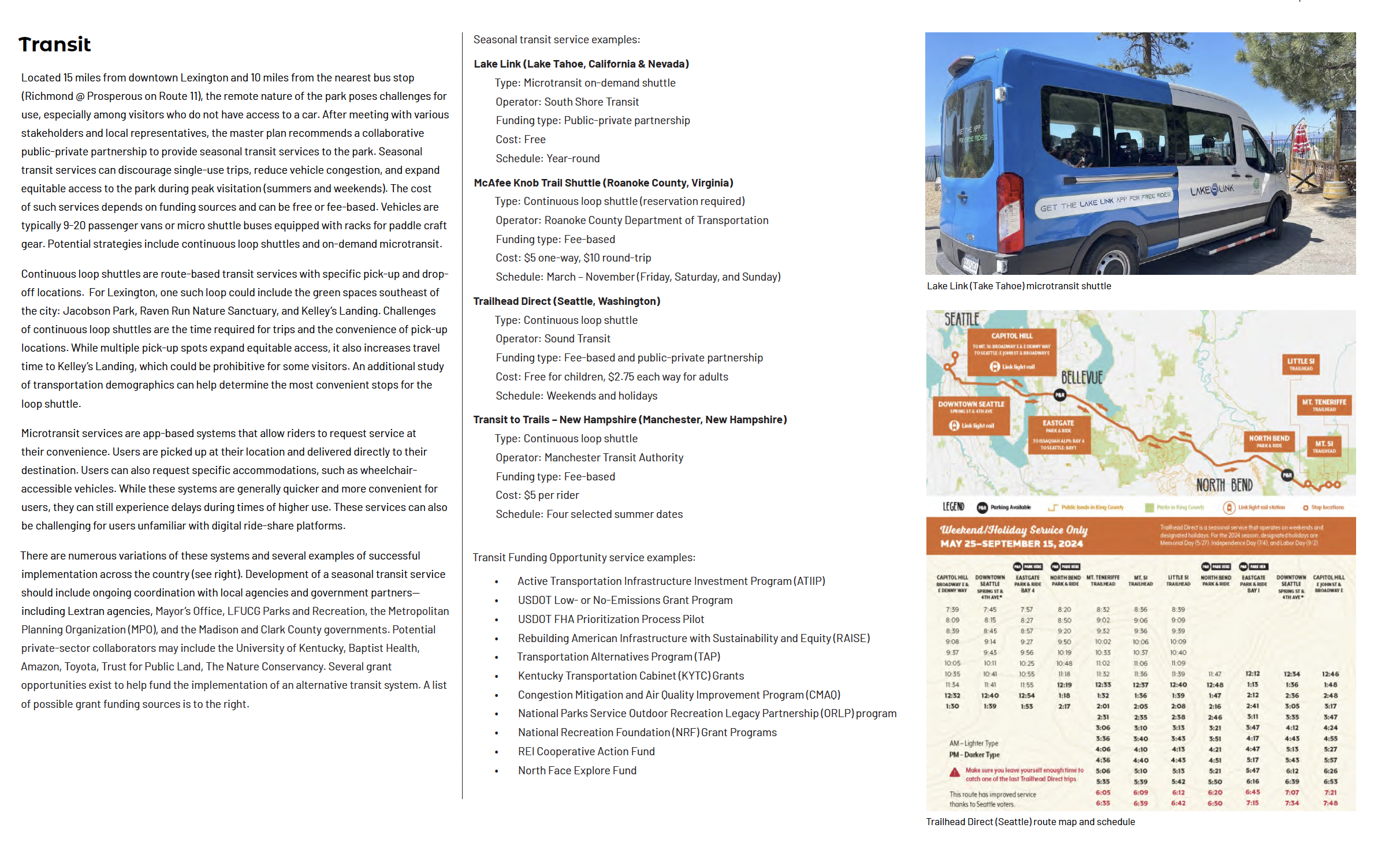
From the Kelley’s Landing Masterplan
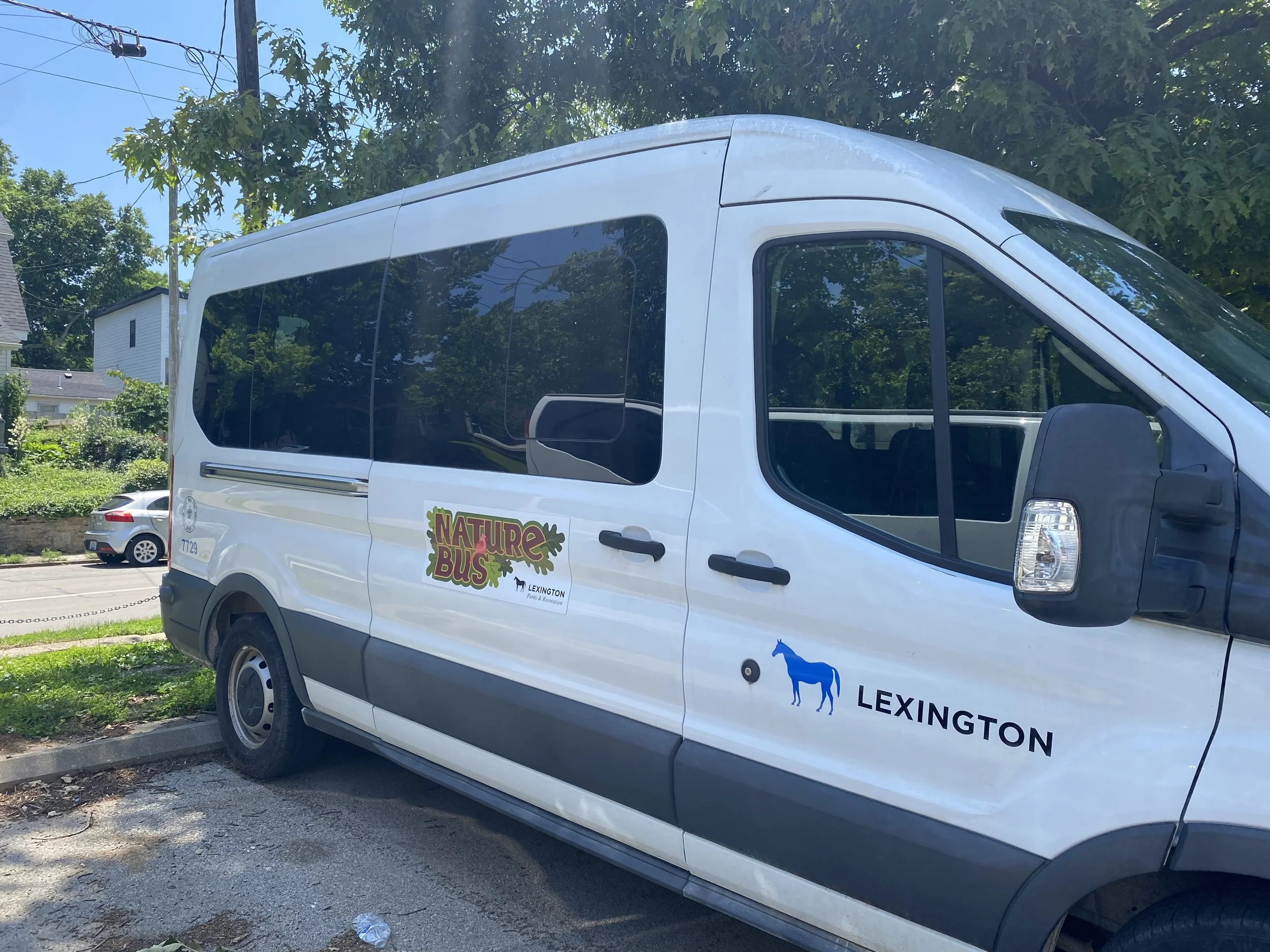
Fast-forward two years after the release of the master plan (which has won an award from ASLA) and year after the park’s opening, I am proud to share that Lexington Parks and Recreation launched the Nature Bus in June. My friends Jenny Hubbard and Callie Dickman with the Parks Natural Areas Division, along with their colleagues Destiny Cornett, Laura Hatfield, Jordan Taylor, Paul Hooper, and Tru’dy Rose, helped turn a recommendation in a planning document into something people can now board, ride, and experience.
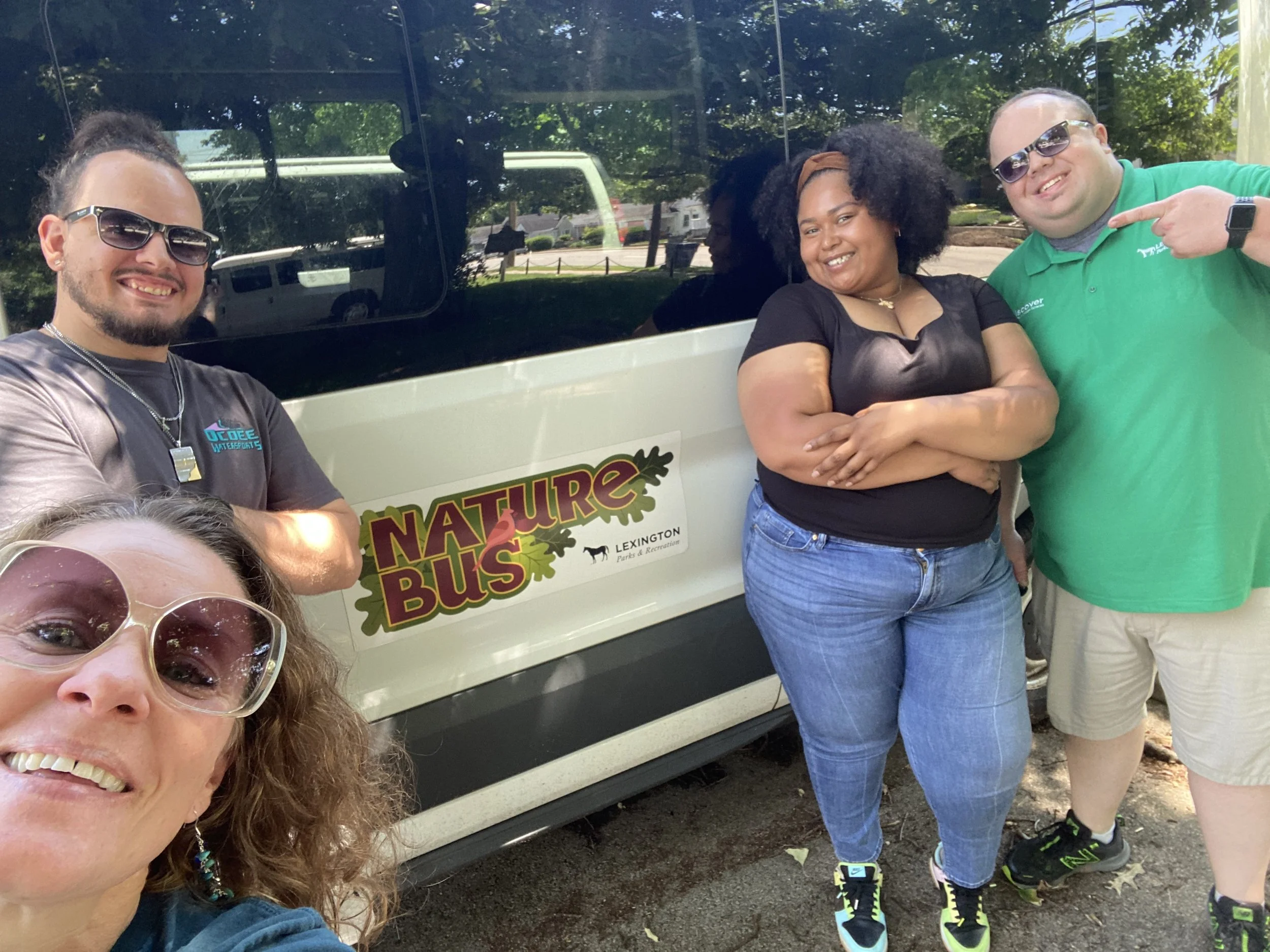
The Nature Bus is completely free. Two of its pickup locations are the Lexington Senior Center and Douglass Park, located in one of Lexington’s historic African American communities. Those stops help make the Kentucky River more accessible to older adults, young people, families without reliable transportation, and others who are too often left out of outdoor recreation.
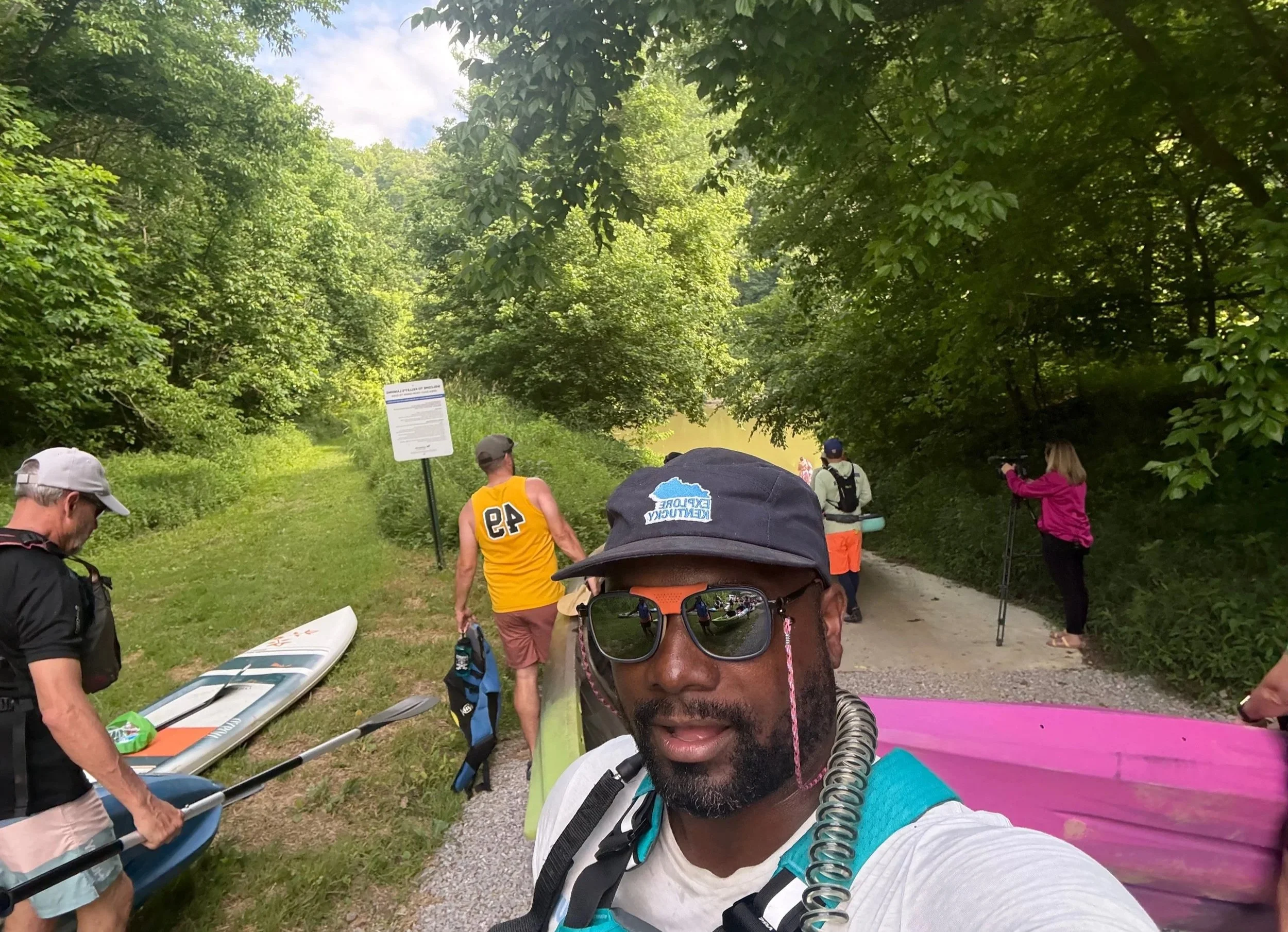
The bus also does more than drop people off at the gate. Each trip includes programming that helps riders experience and understand the landscape. The first Nature Bus in June took folks to Explore Kentucky 9th Bluegrass River Run Paddlesports Festival. Last month’s Kentucky River Ecosystem Exploration featured a guided hike and interactive activities focused on the river and its ecology.
For me, the Nature Bus is proof that thoughtful planning can become something tangible: a free ride, a first visit to the Kentucky River, and a new way for Lexington to connect with one of its most important landscapes.
To learn more about visiting Kelley’s Landing, explore the official Lexington Parks and Recreation page here.
To support the park’s continued development, visit the Kelley’s Landing Fundraising Task Force site here.