Now that I am technically something of a civilian, no longer working for a “big green,” I have more time to write for myself again. One question has stayed with me for years: how do we grow and sustain the conservation and outdoor movement, especially at a time when it is so badly needed?
I keep coming back to the same idea. We need a dedicated gateway community organizing strategy. We need to spend more time building relationships in the places where people are already gathering and connecting with the outdoors.
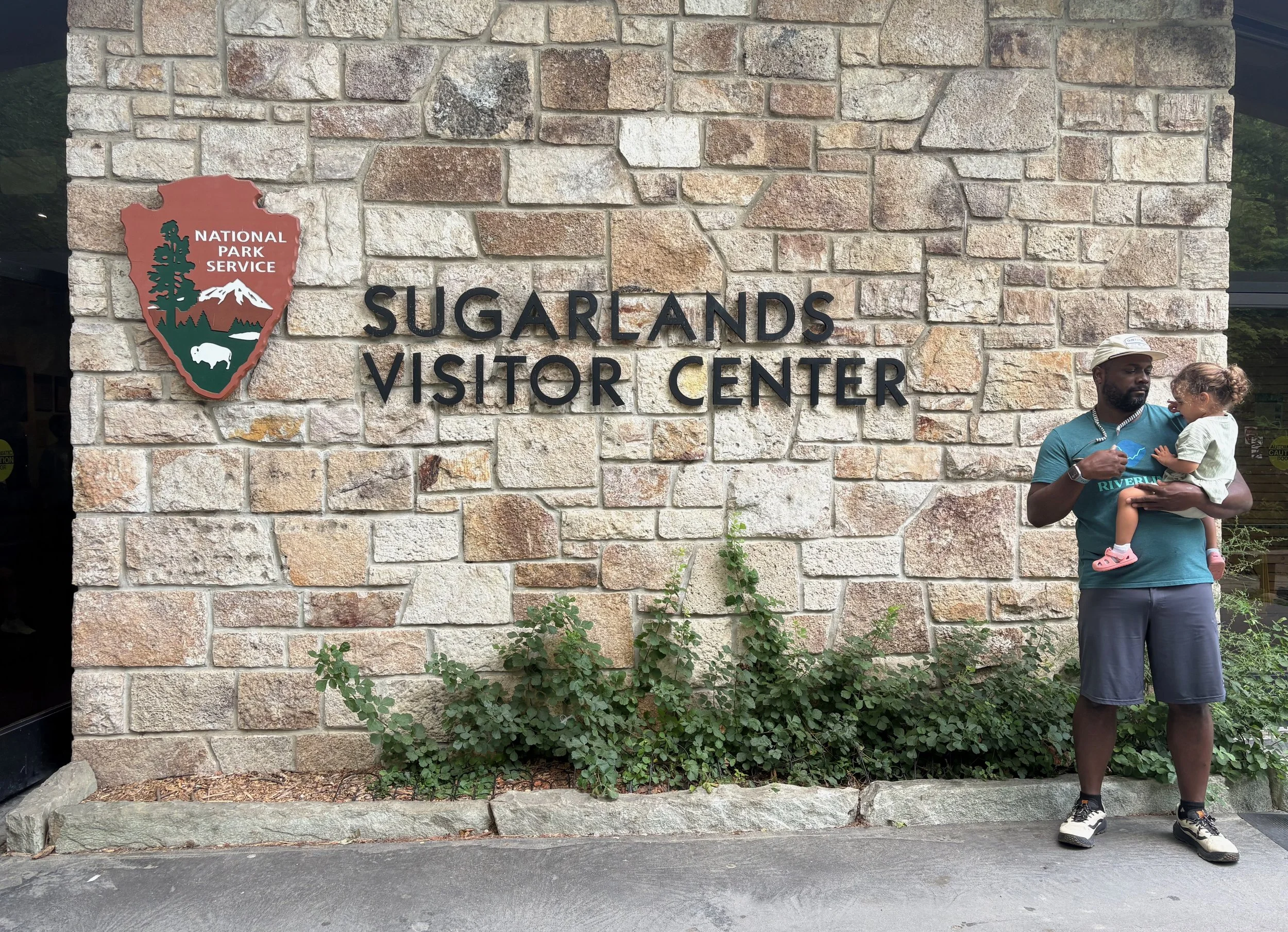
My wife, daughter, and I recently spent a week in and around Great Smoky Mountains National Park. We hiked to Kuwohi, the highest point in the park and a renaming I was proud to champion through my work with the Coalition for Outdoor Renaming and Education. I got my Kuwohi merch, naturally. We biked nearly twelve miles around Cades Cove on vehicle-free day, enjoying the mountain views and, in my case, producing buckets of sweat while pulling a bike trailer. We saw bears, biked the Gatlinburg Trail, rode the gondola up to Anakeesta so our daughter could run around and play, and visited Dollywood. It was an amazing trip.
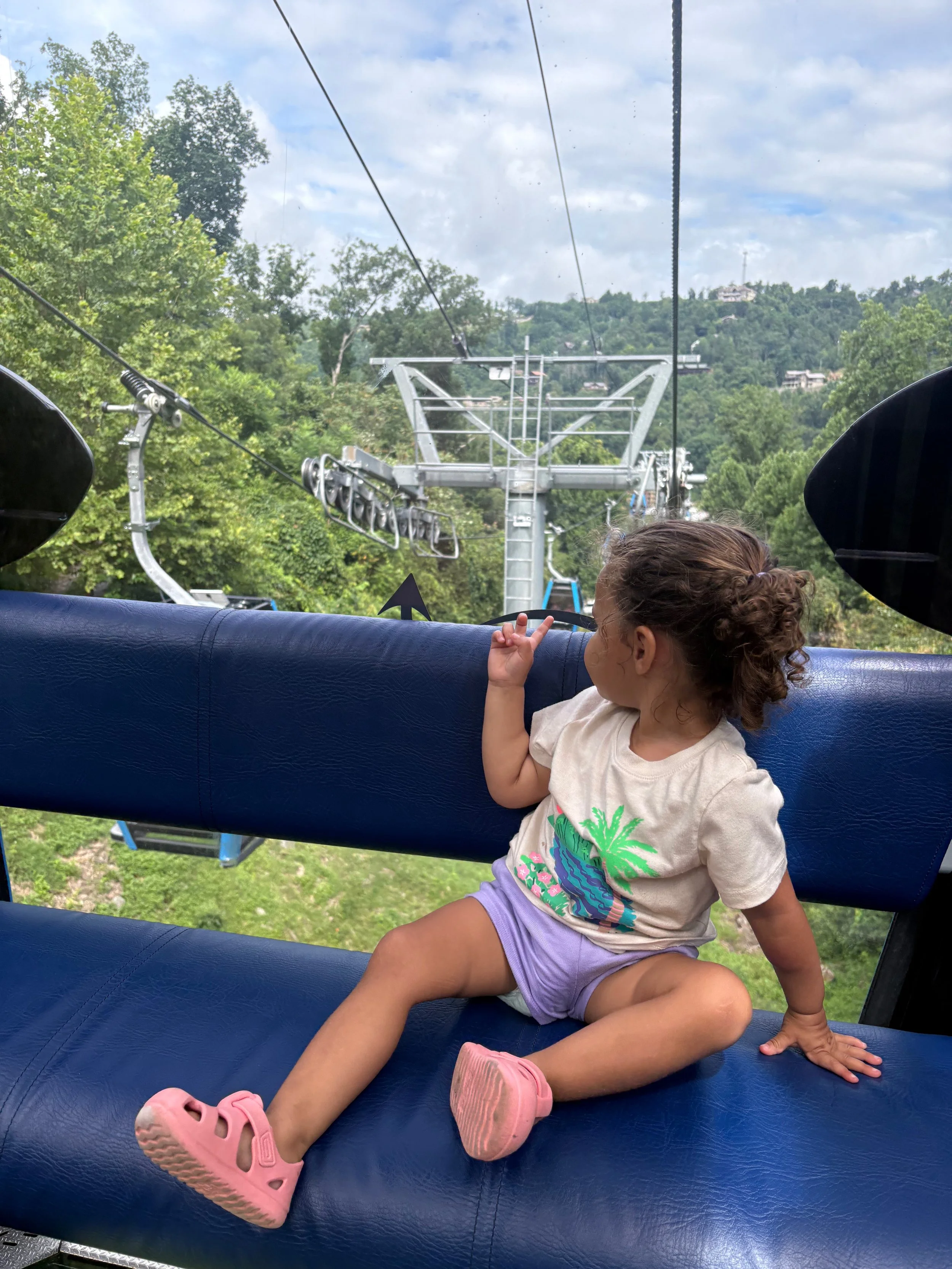
My daughter on the gondola to Anakeesta
As we moved through the park and surrounding communities, I kept thinking about the disconnect between what is happening in the conservation advocacy space and what most visitors are actually experiencing on the ground. Most families arriving in the Smokies are not thinking about the Department of the Interior’s fiscal year 2027 budget, staffing reductions, efforts to weaken the Endangered Species Act, the shrinking of national monuments, or attempts to whitewash the history presented in national parks and on public lands. They are thinking about where to park, what trail they can handle, whether they might see wildlife, where they are going to eat, and what memories they will take home.
That does not mean they do not care. It means the movement is not meeting them in the places where that care is already taking root. The Smokies welcomed 11.5 million visitors in 2025, and in 2024 those visitors spent more than $2 billion in surrounding communities. Everywhere we went, we saw a real cross-section of the country: multigenerational families, young couples, older adults, Black and brown families, international visitors, serious hikers, first-time visitors, and people who were simply there to enjoy the day. Zoom out, and millions more are gathering in other national parks, national forests, gateway communities, climbing areas, campgrounds, visitor centers, and trail towns across the country. They are choosing to spend time in places shaped by conservation, and you can hear the connection forming in the way they talk about the wildlife, the views, the trails, the history, and what those experiences mean to them. Yet in many of these places, there is little visible, visitor-facing presence from the major national conservation organizations. on the landscape. Many like my former employer have chapters, regional offices, local campaigns, volunteers, and longstanding relationships with communities. But most visitors will never encounter that work while they are actually experiencing the places those organizations are fighting to protect.
In the Smokies, visitors will likely to encounter one of the park’s official nonprofit partners. Smokies Life, for example, has contributed more than $54 million to conservation, education, research, historic preservation, and park projects. It operates bookstores, produces publications, supports programming, and helps visitors understand and appreciate the park. Smokies Life has also helped create the Gateway Stewards program, which offers hospitality workers free, ranger-led training on park logistics, visitor safety, and ways guests can help protect park resources. That is smart. It recognizes that these frontline workers are already interacting with visitors and shaping their experiences.
But Gateway Stewards is not an advocacy or movement-building program, nor should it be. What remains missing is an independent invitation for visitors to move from caring about a place to becoming part of a broader movement prepared to defend it.
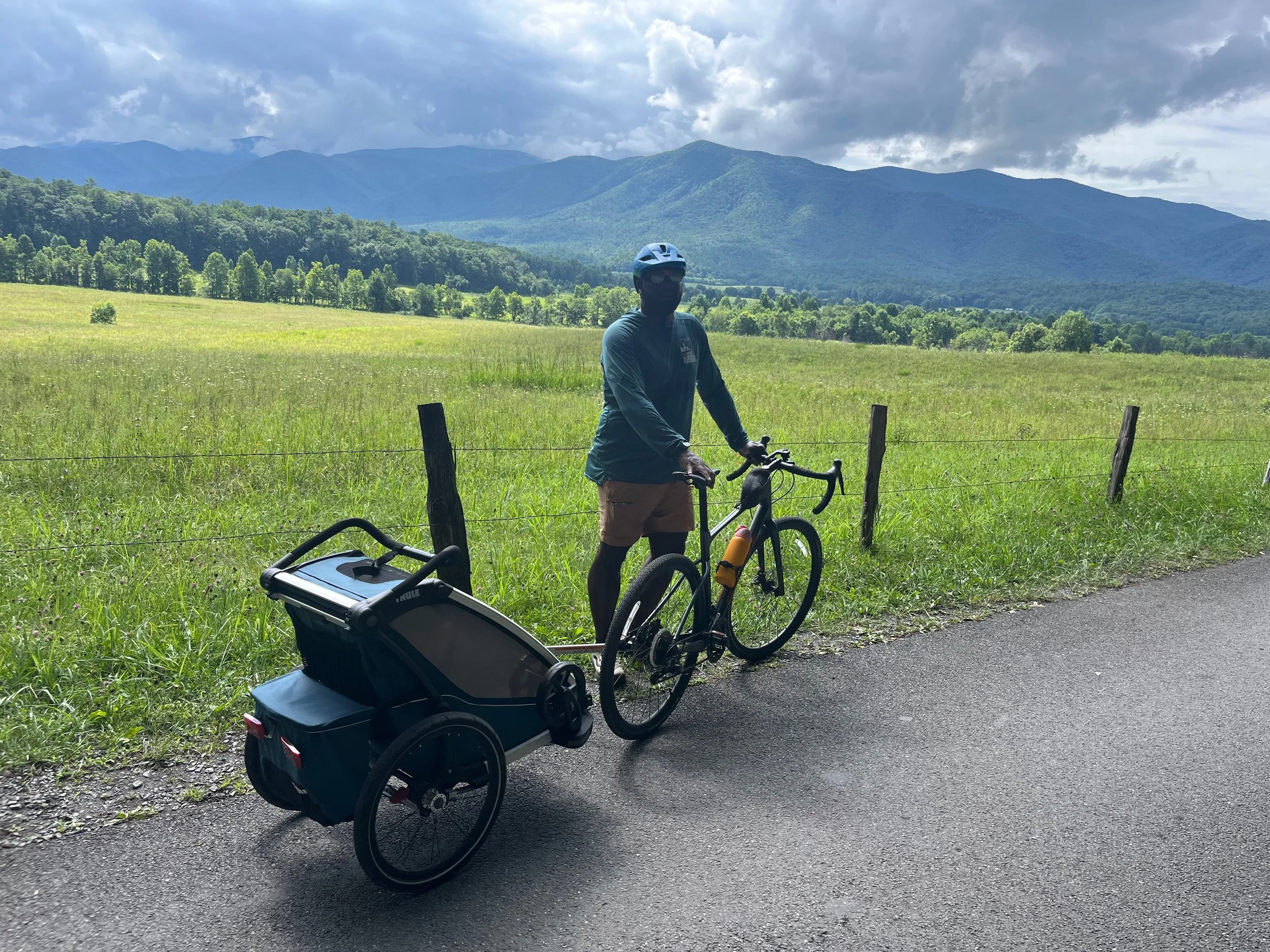
Biking Cades Cove on Vehicle- Free Day
The Shift
The conservation movement was originally built through direct participation. People joined local clubs, attended public meetings and teach-ins, went on outings, maintained trails, wrote letters, and organized face to face. Some of the movement’s defining victories grew from bringing people into direct relationship with a place. During the campaign against the proposed Echo Park Dam in Dinosaur National Monument, David Brower, his kids, and other Sierra Club members rafted the Yampa and Green Rivers through the canyons that would have been flooded. The Club organized additional river trips, while photographs, films, publications, public talks, coalition building, and congressional advocacy helped people across the country understand what was at stake. The river trips were not separate from the campaign. They were an integral part of how the campaign built power. People experienced the canyons, returned home with stories, and helped turn a remote landscape into a national cause. Brower understood that people were more likely to defend a place once they could see it, experience it, or imagine what would be lost.
As our field has professionalized, more energy and funding have shifted away from on the ground organizing and toward legal, policy, communications, scientific, and electoral strategies. That work matters. Lawsuits stop destructive projects. Policy staff shape legislation. Researchers document threats. Communications teams make complex issues understandable. But the person to person work of building relationships around place is slower, harder to measure, and often more difficult to fund. A court ruling, bill introduction, media placement, or acreage goal can be reported as a clear deliverable. The value of thousands of conversations at trailheads, campgrounds, outings, and community meetings may not become visible until years later. Since the pandemic, even more organizing has become digital, circulating through many of the same mailing lists, communities, and social media networks. Digital organizing allows us to reach people quickly and at scale, but it can also become a closed ecosystem where we repeatedly speak to people who already understand the language, know the threats, and agree with us.
Meanwhile, millions of people who have already demonstrated some connection to these places move through them without ever encountering the movement.
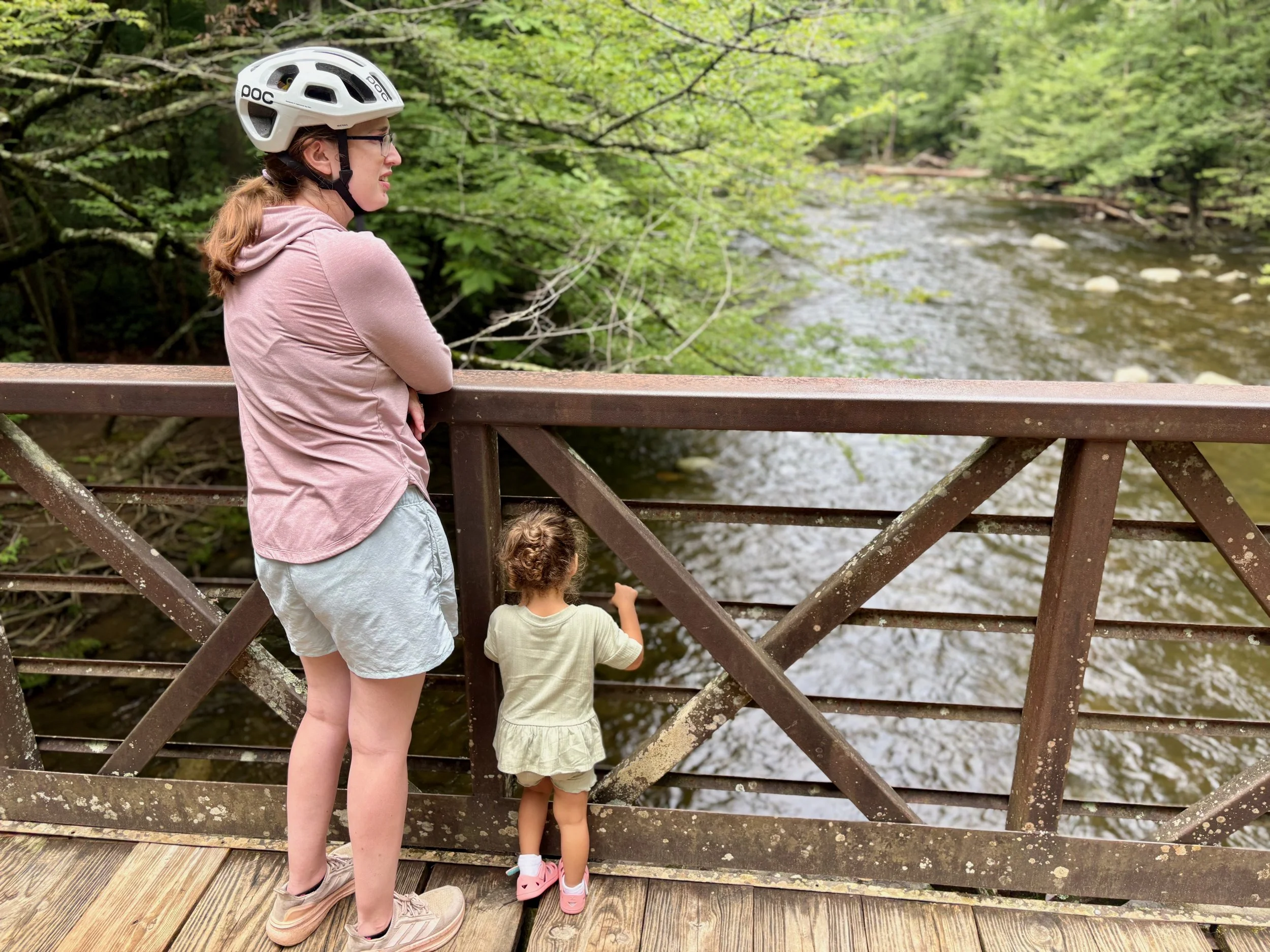
My family looking out on the West Prong of the Little Pigeon River from the Gatlinburg Trail
What Could This Look Like?
We do not have to invent this work from scratch. One model I love is Access Fund’s climbing steward program. They work alongside local partners in high-use climbing areas. They offer coffee, conversations at the crag, volunteer opportunities, and special events. Most importantly, they build relationships with people while they are actively experiencing the place. It is a simple but powerful model: meet people where they are, help them understand what is at stake, and give them a way to stay involved.
I could see a broader gateway community strategy taking two forms.
An organization-led pilot. An organization could establish a presence around one major public-land landscape and its gateway communities. A national coordinator would lead strategy, fundraising, training, campaign materials, and connect what local organizers hear to the organization’s broader advocacy work. One or two locally based organizers would focus on visitors and the communities receiving them, building relationships with hotels, campgrounds, outfitters, shuttle providers, businesses, Tribal Nations, and local organizations so they could reach people throughout their stay.
A coalition-led pilot. Tribal Nations, local organizations, conservation and recreation groups, businesses, and national partners could pool resources around a shared program. Local and Tribal partners could help shape the strategy, lead programming, identify community priorities, and determine how the place’s stories and significance are presented
.Either model could support outings, volunteer days, film screenings, talks, public events, and conversations in the places visitors already move through. Organizers could help people understand what makes a place ecologically, culturally, and historically significant, connect those experiences to the larger issues affecting it, and offer meaningful ways to stay involved after they return home. The goal would be to combine national advocacy capacity with a visible local presence designed to reach people while they are visiting, experiencing, and beginning to care about a place. Also to create a two-way relationship between visitors, residents, local organizations, land managers, and the broader movement.
Conclusion
None of this requires turning every visitor interaction into a fundraising transaction or every family vacation into an advocacy pitch. It requires recognizing that people are already open to these places in a way no email subject line can manufacture and creating authentic ways for that connection to deepen after they leave. They might stay involved, take action, return, volunteer, donate, or simply tell the story of why the place matters.
Done well, gateway organizing could turn those moments into lasting relationships while directing more attention and resources toward the communities caring for these places year-round. It could make the conservation and outdoor movement a visible presence before the next bad bill, threatened monument, or crisis demands one.
People are already showing up. The connection is already there. The question is whether the movement will keep waiting for people to find us or build the presence and relationships necessary to meet them there.
We do not have to manufacture care. We have to organize around it.
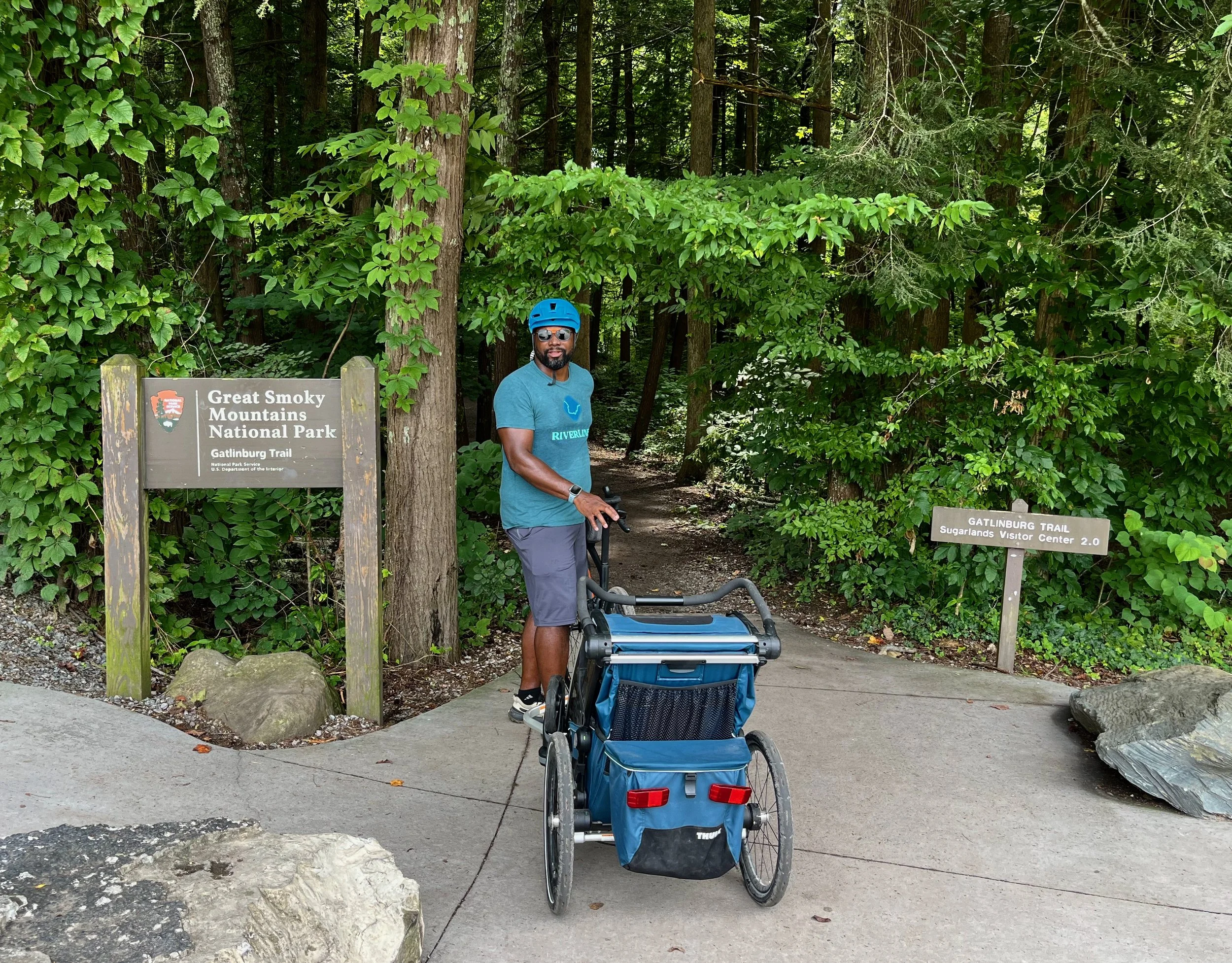
Entrance to Gatlinburg Trail